
How Four Samburu Communities Are Uniting Through Conservation in Nasuulu, Northern Kenya
Nestled alongside Buffalo and Samburu National Reserves – near our coveted tented camp Sarara Wilderness – Nasuulu Conservancy may cover only 35 square kilometres, but its significance reaches far beyond its size.
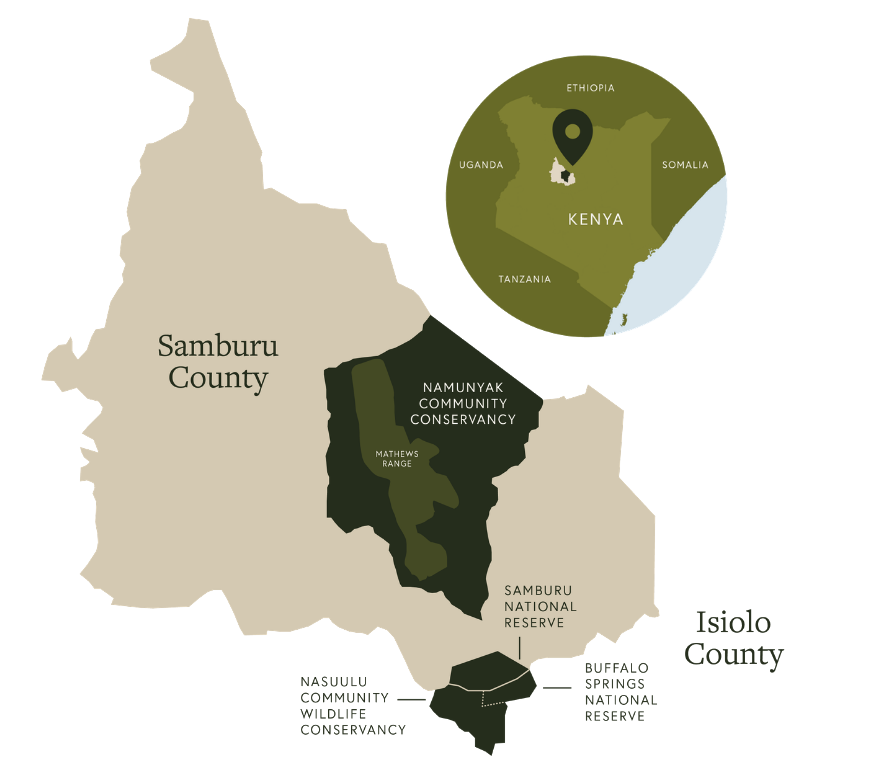
Forming part of a vital wildlife corridor linking the Mathews Range with Mount Kenya, it plays a critical role in enabling free wildlife movement across Northern Kenya – particularly for elephants moving north to south between these important landscapes.
Yet Nasuulu’s story is about more than wildlife. It’s also the story of four of the region’s most prominent pastoral communities – and how they finally found common ground through conservation.
A landscape once divided
While the Samburu, Borana, Turkana and Somali have shared this landscape for generations, their history has often been shaped by strife. Like many communities living in arid regions, competition for grazing land and water has frequently escalated tensions – particularly during periods of drought, when resources become scarce. For decades, cooperation between the four communities remained elusive.
Today, a very different story is unfolding…
United by a shared vision for the future of their land, conservation has become the common purpose bringing them together. Supported by The Sarara Foundation (TSF) through direct support for Nasuulu's Ranger Program, ecotourism operations, training, wider conservation initiatives and employment opportunities, they’re now working together to protect a landscape that sustains both wildlife and livelihoods.
Communities that until recently rarely saw eye to eye are now planning together, meeting challenges as a team, and making collective decisions to safeguard this remarkable landscape while ensuring conservation delivers tangible benefits for everyone who calls it home.
“Before, these communities fought over pastoral land because of competition for grazing areas, and livestock theft also fuelled conflict,” shares Sammy Lemiruni, General Manager of Sarara Wilderness – which is set mere kilometres from Nasuulu on the banks of the Ewaso Nyiro River. “Nowadays, they all elect representatives to a shared conservancy board, meet regularly to make decisions and develop conservation bylaws, and work together to protect Nasuulu’s core conservation area.”
Strategic support
It’s a story that is nothing short of remarkable. Since 2024, TSF has played a significant role in supporting this journey: fully funding Nasuulu's conservancy operating budget – wildlife rangers’ salaries, patrols and monitoring, vehicles, monitoring and training, while sharing more than three decades of community-led conservation experience from neighbouring Namunyak Conservancy. Sarara’s ecotourism at Sarara Wilderness and TSF has also been helping to foster the partnerships and practical knowledge that enable both Nasuulu and its communities to flourish.
“Drawing on what’s worked in Namunyak to build sustainable conservation economies, we’ve been able to share approaches that Nasuulu’s communities can adapt in ways that work for them,” says Jeremy Bastard, CEO of TSF. “And as we’ve seen over the past 30 years, when communities experience the benefits of conservation firsthand, wildlife and people both thrive.”
This model has strengthened both conservation and cooperation in Nasuulu, and supporting its Ranger Program has been one of TSF’s most significant initial commitments as the foundations for this growing partnership was laid.
An exciting new era – and sneak peek for guests
“Sarara has just entered into a formal long-term partnership with Nasuulu Conservancy to build peace, rehabilitate critical habitats and wildlife corridors, support livelihoods and protect this hotspot for biodiversity,” says Jeremy. “We’re doing this through conservancy operations support, training, community programs, peacekeeping and governance forums and, importantly, we’ve implemented low-footprint ecotourism in the conservancy as a key revenue driver.”
He’s referring to one of the best-kept secrets for those looking for even more immersive experiences in this wild and remote landscape known for its high density of wildlife – with plans for Sarara Wilderness to deploy and operate exciting mobile camps across Nasuulu, allowing a handful of guests to step into some of the most intimate ways to experience this pristine ecosystem – while supporting this incredible local movement.

Meaningful opportunities
Already, Sarara’s support in Nasuulu extends well beyond conservation itself. Conservancy fees generated through guest stays at Sarara Wilderness go directly towards community priorities, helping to fund initiatives ranging from annual school bursaries and healthcare to employment opportunities and wider community development.
And, inspired by similar community enterprises in Namunyak, beading circles established by women in Nasuulu have become cherished experiences for guests at Sarara Wilderness, creating meaningful new income opportunities while celebrating and preserving cultural traditions. Similarly, community-led experiences at local manyattas (traditional homesteads) offer authentic cultural exchanges and valuable insight into everyday life, while opening the door to respectful, community-led ecotourism within Nasuulu. Since opening in December 2024, Sarara Wilderness has also trained and employed a variety of employees from all of Nasuulu’s communities.
“Sarara Wilderness in fact originated following requests from Nasuulu’s communities for TSF’s support to help develop conservation and ecotourism,” adds Sammy.
It’s therefore Sarara’s vision to support Nasuulu Conservancy through conservation, ecotourism, and community development, he says.
“By bringing guests into this remarkable landscape, we’re also creating greater awareness of the wildlife corridors that are so vital to this region – and we do this in many ways, including walking safaris, cultural visits and activities, as well as night game drives within Nasuulu Conservancy.”
Sammy Lemiruni, General Manager of Sarara Wilderness
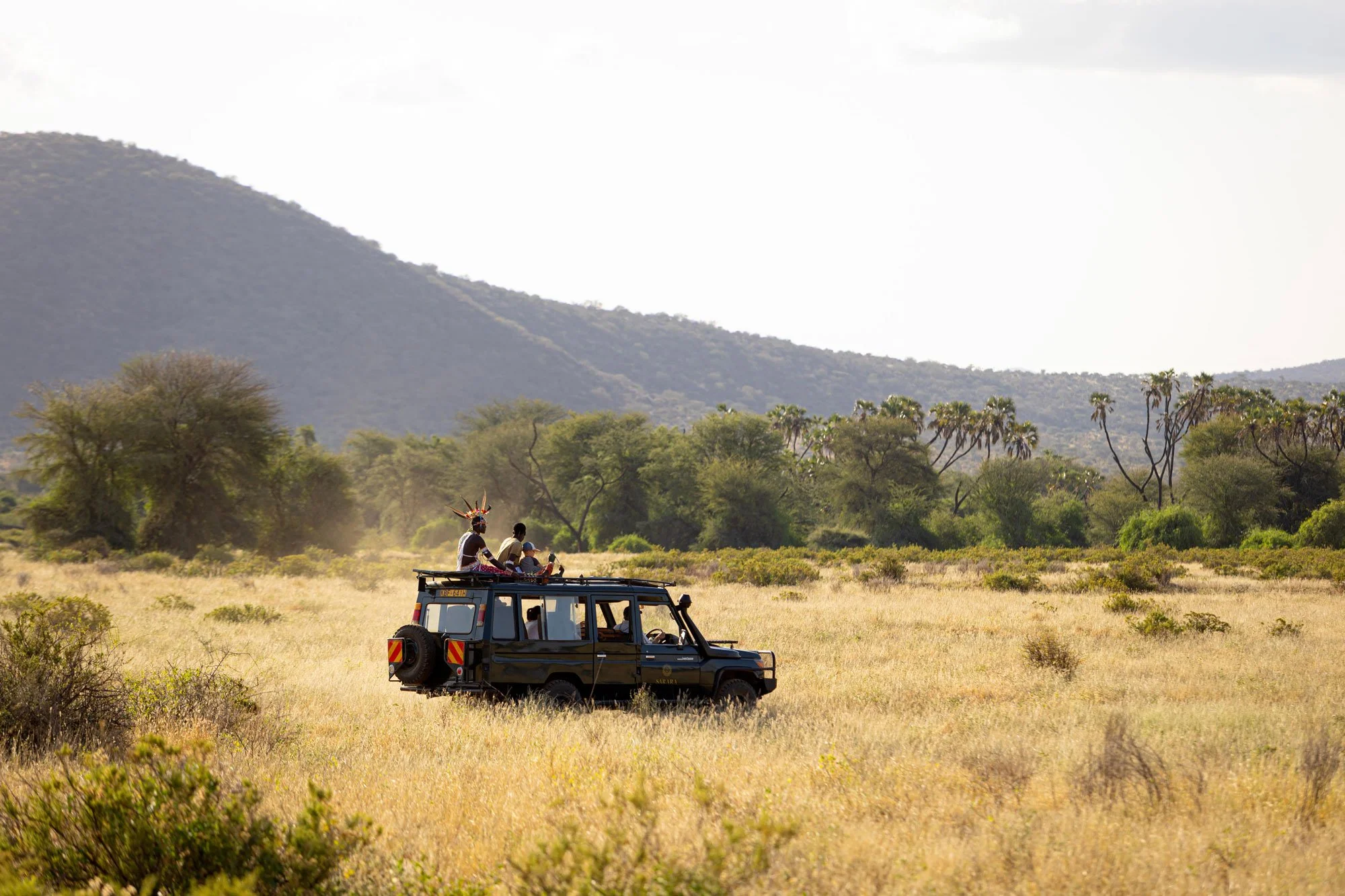
“We’ve also started introducing Nasuulu as one of the dedicated game drive routes for guests at Sarara Wilderness – over and above the ones we already offer in Samburu and Buffalo Springs National Reserves – while carefully protecting key wildlife zones,” says Sammy.
Looking ahead
Like many dryland ecosystems, Nasuulu continues to face prolonged drought, increasing pressure on grazing resources, climate change, and the ongoing need to strengthen understanding of conservation and sustainable tourism across the community. Access to healthcare also remains limited for many families in the conservancy. And yet, there is every reason to be hopeful.
Conservation is creating opportunities that simply didn't exist before. Local livelihoods are becoming more resilient, ecotourism continues to grow, and perhaps most importantly, community-led conservation is flourishing through a shared vision embraced by all four communities.
“Conservation here has become a platform for cooperation rather than competition.”
Sammy Lemiruni
The spirit of collaboration extends beyond Nasuulu and through similar partnerships in neighbouring conservancies like Kalepo and Ngilai Central as TSF continues sharing the knowledge, experience and practical conservation approaches developed in Namunyak to support communities in restoring landscapes, strengthening livelihoods and protecting biodiversity through locally led conservation.
Its initial funding of Nasuulu's Ranger Program has grown into far more than protecting a single conservancy. Stronger ranger teams are helping to safeguard one of Northern Kenya's most important elephant corridors and, as wildlife moves across this vast landscape, Nasuulu is playing an increasingly vital role in protecting biodiversity far beyond its own boundaries.
As a crucial elephant corridor, Nasuulu also acts as an important habitat for a huge variety of species, including many that are endangered. “It’s a known Grévy’s zebra corridor – and also an area with extraordinary numbers of large predators,” shares Jeremy. “Rehabilitating and protecting this beautiful wilderness area will not only create huge value for its community owners, but also open up key wildlife corridors in the region.”
Ultimately, when conservation creates opportunity, communities grow stronger. Wildlife has room to recover. And landscapes once defined by division become places united by a shared purpose.